What is brought? What is left?
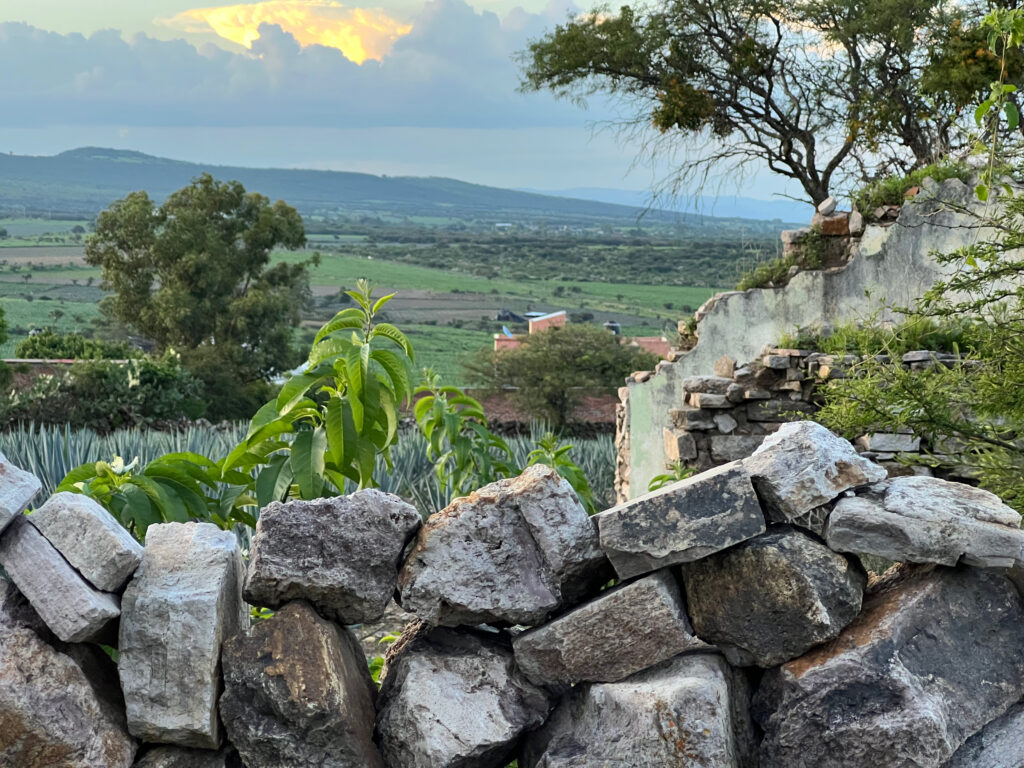
In Paredones, there are many houses uninhabited by humans who moved away, but they sure are inhabited by plant relatives.
In 1942, a U.S. executive order launched the Mexican Farm Labor Program, known as the Bracero Program, which facilitated seasonal migration. This initiative allowed Mexican men, including my grandfather, to work legally on short-term agricultural contracts during World War II. For years, men from Paredones participated in this program, migrating seasonally to the U.S. until its conclusion in 1964. To this day, many residents continue to travel back and forth from Paredones to places such as California for work.
Land work has been central to residents in Paredones – farming to sustain themselves, farming as seasonal migrant farm laborers, and most recently cultivators of Agave.
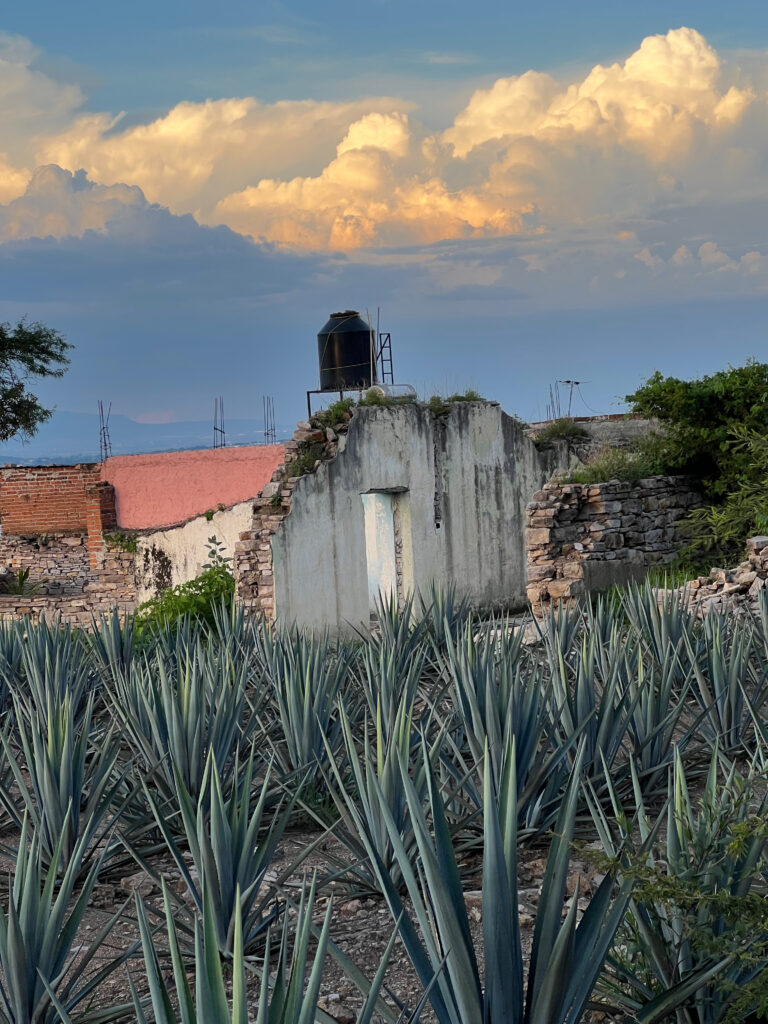
While moving places, the stories of Paredones remain with those who migrate. Further, plants from the land are brought to California for gifts and as a reminder of the homeland for those who don’t travel back.
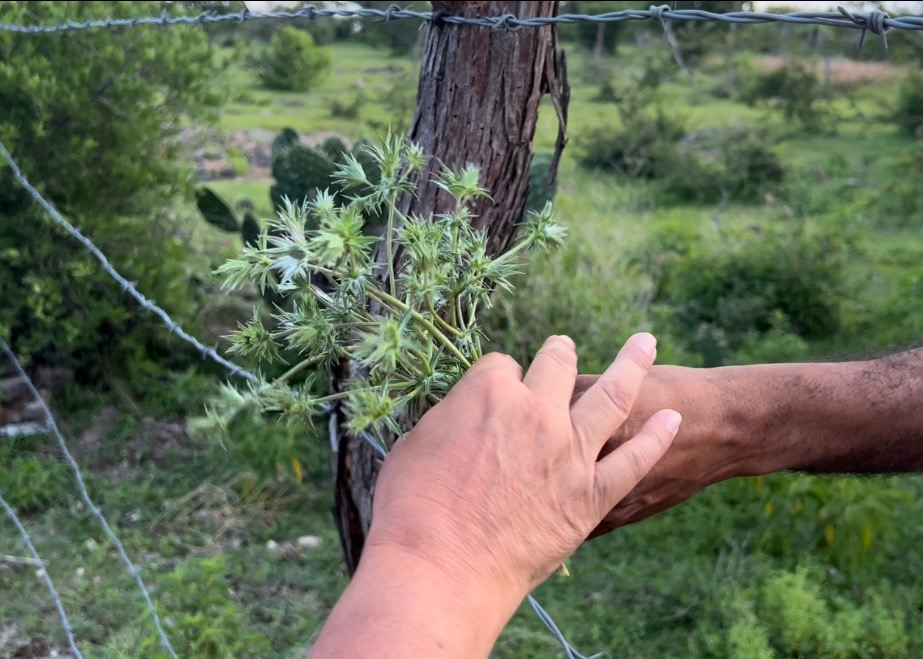
Yerba del Sapo is a plant that helped remedy a treacherous migration to the United States.